
Key Takeaways
- Your jaw, gums, bite, and daily habits can affect tooth position over time.
- New gaps, crowding, or bite changes may signal tooth movement.
- Early dental care can help reduce wear, discomfort, and gum problems.
- Retainers, clear aligners, gum care, or tooth replacement may help manage shifts.
Tooth Changes Over Time
You may notice a small gap that wasn’t there before. Perhaps your lower teeth look crowded, or your bite feels different when you chew. At Dow’s Lake Dental, the team can assess these changes, which can happen slowly, even if you had braces years ago.
Your teeth can shift as you get older because your jaw, gums, bite, dental history, and daily habits continue to change throughout your life.
Why Your Teeth Shift With Age
Age-Related Mouth Changes
Your mouth doesn’t stay the same after your adult teeth come in. Your jaw can change shape over time, while your gums may pull back from your teeth, a change called gum recession that can affect the tissue and bone supporting each tooth.
Teeth also tend to move toward open spaces. If you lose a tooth, nearby teeth may tilt or drift into the gap. Years of chewing can wear down enamel as well, which may change how your upper and lower teeth meet.
Habits & Past Dental Changes
Daily pressure can slowly affect your tooth positions. Clenching or grinding puts force on your teeth while you sleep, and pressing your tongue against your front teeth can also contribute to movement.
A retainer helps hold teeth after orthodontic care, but it can wear out or stop fitting as your mouth changes. If an old retainer feels tight or painful, don’t force it onto your teeth. A dentist in Ottawa can check its fit and discuss another option.
Signs Your Teeth Have Moved
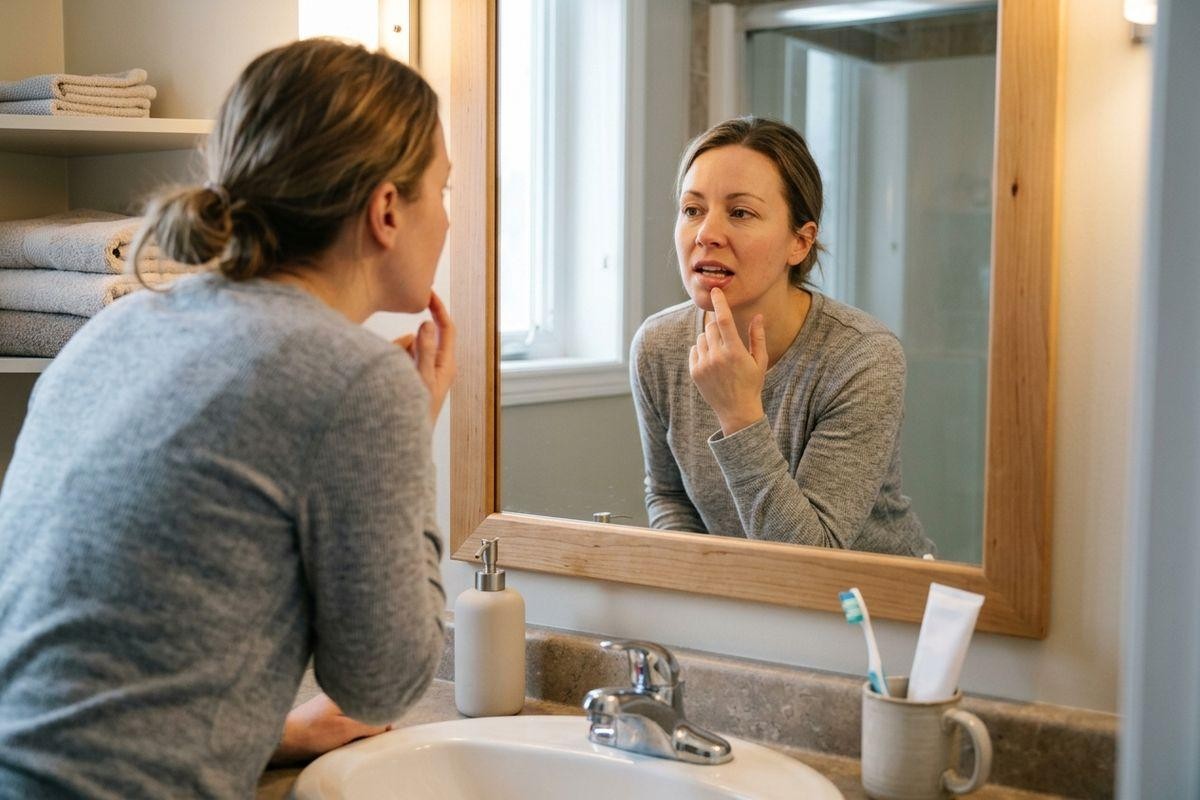
Small changes may show up in the mirror, during meals, or while you floss. Watch for signs such as these.
- You notice new gaps between your teeth.
- Your front teeth overlap or look more crowded.
- Your bite feels different when you chew.
- Food gets stuck in places that were easy to clean before.
- Your retainer feels tight or no longer fits comfortably.
- You feel jaw soreness or notice uneven tooth wear.
A loose tooth or sudden bite change deserves prompt attention. The doctor can look for gum problems, injury, decay, or another cause that may need care.
Why Tooth Movement Matters for Your Health
Possible Oral Health Effects
Crowded teeth create narrow spaces where food and sticky plaque can collect. Your toothbrush may miss these areas, and floss may feel harder to guide between your teeth. This can raise your risk of cavities and irritated gums.
An uneven bite can also place extra pressure on certain teeth. You may see flat edges, small chips, or sensitive spots where enamel has worn thin, and your jaw muscles can feel tired when your bite no longer meets evenly.
How Early Care Can Help
Early checks can reveal small shifts before they cause more strain. Timely care can help reduce your risk of pain, infection, tooth damage, and more costly procedures later. You can also get a clear plan based on the cause of your tooth movement.
How a Dentist in Ottawa Can Help
Your Exam & Bite Check
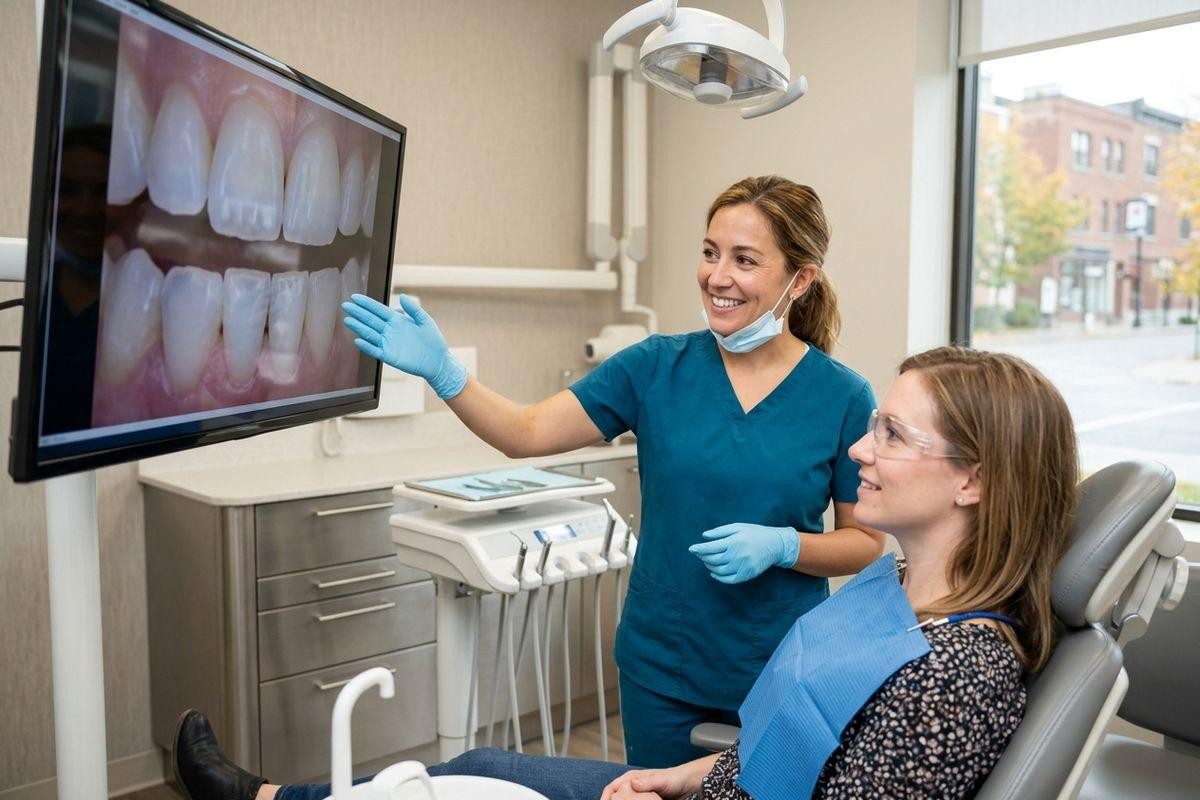
During your visit, the doctor checks your tooth positions, bite, gums, and jaw. Digital images and other modern tools can help the team compare changes that may be hard to see in a mirror. You can receive a plain-language explanation of what the doctor finds.
Care Options for Your Smile
Your care plan depends on why your teeth have moved and how much they have shifted. Possible options include the following.
- A new retainer may help hold your current tooth positions.
- Clear aligners may guide mild or moderate shifts over time.
- Gum care may support the tissues around your teeth.
- A bridge, implant, or other tooth replacement may help fill an open space.
- A night guard may protect your teeth if you clench or grind.
Your dentist in Ottawa can explain the purpose, timeline, and cost of each suitable option before you choose your care.
How to Reduce Future Tooth Shifts
Daily Care & Retainer Habits
Wear your retainer as the doctor directs, and bring it to dental visits so the team can check its condition. Brush twice a day with fluoride toothpaste and floss once a day to help keep your gums and tooth support healthy.
If you play sports, wear a fitted mouthguard. If you wake with jaw soreness or worn tooth edges, ask about protection from clenching or grinding.
When to Book a Dental Visit
Book a visit when you notice new pain, loose teeth, crowding, gaps, or bite changes. Dow’s Lake Dental offers accommodating hours, and supports text message appointments for busy families. The team offers service in English, French, and Arabic.
Contact Dow’s Lake Dental so the team can assess your tooth movement and explain which next steps may help protect your smile.
