

Missing Tooth After an Accident: What to Do Immediately and Long Term
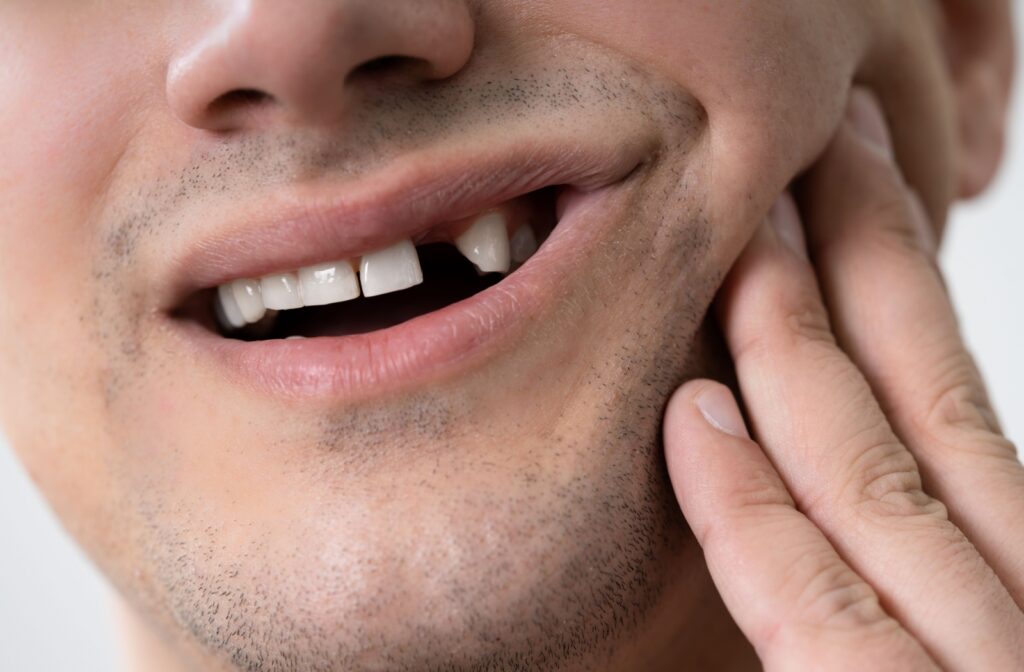
A sudden trip on the sidewalk or a stray ball during a family game can happen in an instant. When that moment leads to a knocked-out tooth, it’s normal to feel a surge of panic. You might see blood and feel confused about what to do next to protect your smile or your child’s, but the team at Dow’s Lake Dental can help.
The most important thing to remember is that quick, careful action can often save the tooth and prevent long-term problems. Knowing the right steps to take from the moment of the accident until you receive emergency dental care makes all the difference.
Your First Steps After a Dental Injury
Find & Handle the Tooth Correctly
The first step is to locate the tooth. When you find it, pick it up by the crown—the whiter, chewing part—and try not to touch the root. If the tooth is dirty, you can gently rinse it with water for a few seconds. Do not use soap or scrub it, as this can damage sensitive tissues on the root surface.
Control Bleeding at the Scene
To manage any bleeding, you can rinse your mouth with warm water. Then, take a clean piece of gauze or cloth and apply gentle, steady pressure to the empty tooth socket. A cold compress or ice pack held against your cheek can also help reduce swelling and discomfort while you seek professional help.
How to Save the Tooth Until You Get Help
Keep the Tooth Moist for Transport
Your tooth has the best chance of survival if you keep it moist. The ideal first choice is to gently place it back into its socket, holding it there with your fingers or by biting down softly on gauze. If that isn’t possible, you can hold the tooth inside your cheek. The next-best option is to place the tooth in a small container of milk.
What to Avoid for Tooth Preservation
Plain tap water is not a good choice for storing the tooth, as it can damage the cells on the root surface. You also want to avoid wrapping the tooth in a tissue or cloth, as this will let it dry out quickly. A dry tooth has a much lower chance of being successfully re-implanted.
Your Emergency Visit to the Dentist
What the Dental Team Does
When you arrive for an emergency visit, the dental team focuses first on your comfort. For anyone feeling anxious about the situation, sedation options are available to help you relax. The team performs a thorough dental examination of the injured area to check for any other damage to your gums, lips, or surrounding teeth. After carefully cleaning the tooth and the socket, they may attempt to re-implant the tooth into its proper place.
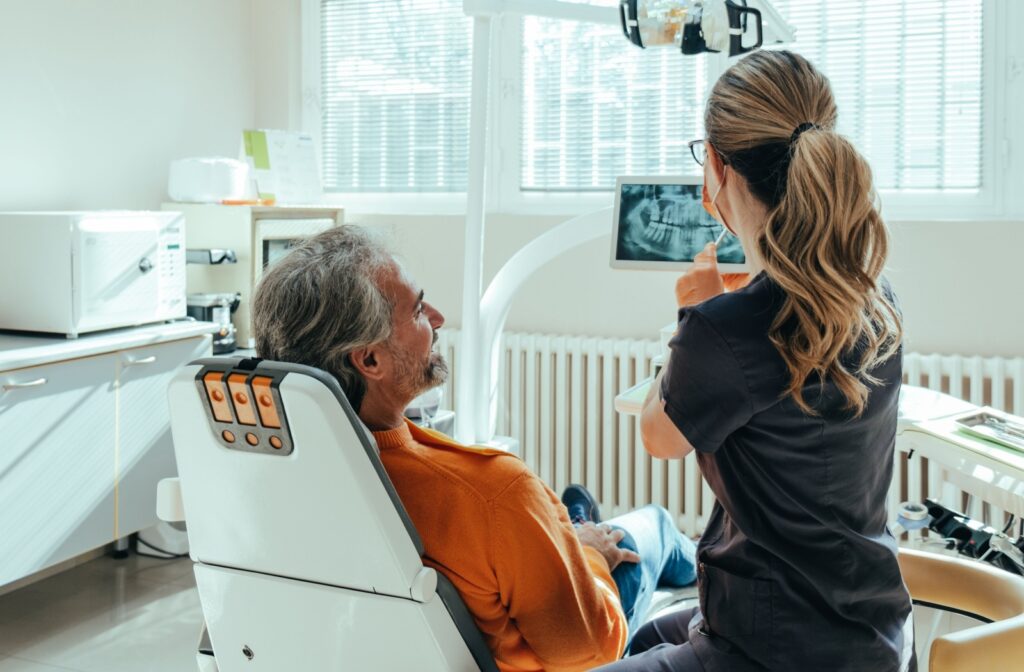
An X-ray is often taken to provide a clear image of the tooth socket and jawbone, helping the dentist check for fractures or other hidden damage that isn’t visible on the surface. This step gives the team all the information they need to decide on the best course of action for your smile.
Next Steps After the Exam
If the tooth is put back in place, it needs support while it heals. The dental team may place a splint, which temporarily attaches the injured tooth to its neighbours to hold it steady. You also receive instructions for at-home care and schedule follow-up appointments to check on your progress.
Home Care & Recovery After Tooth Trauma
What to Do for a Smooth Recovery
Your comfort is a priority after a dental injury. For a few days, stick to soft foods like yogurt, smoothies, and soup that don’t require much chewing. If you experience discomfort, you can use over-the-counter pain relievers as directed. Keeping your head slightly elevated with an extra pillow when you rest can also help with swelling.
It’s also important to keep the area clean to help with healing. You can rinse your mouth gently with a warm saltwater solution after meals. Be careful when brushing your other teeth to avoid bumping the injured tooth or the splint.
Protect Your Smile as It Heals
To help the area heal, try to avoid chewing on the injured side of your mouth. It’s also a good idea to steer clear of drinking through straws or smoking, as the suction can disturb the healing site. For a while, you should also avoid hard, crunchy, or sticky foods, such as nuts, popcorn, and chewy candies, as part of your commitment to good oral health for life.
Long-Term Tooth Replacement & Care
Why You Should Replace a Missing Tooth
If a tooth cannot be saved, you should consider a replacement. A gap in your smile can cause the neighbouring teeth to shift out of place, which can affect your bite. A missing tooth can also lead to changes in your jawbone structure and affect the muscles in your face over time.
Beyond just looks, a gap can make it harder to chew certain foods, which might affect your nutrition. It can also change how you speak, as your tongue uses your teeth to form certain sounds. Replacing the tooth helps maintain the full function of your mouth.
Common Replacement Options
If you’re looking to fill a gap and regain your confidence, we offer several effective ways to restore your smile:
- Dental Implants: These act as a new tooth root, providing a permanent, sturdy foundation for a custom crown.
- Dental Bridges: This option fills the gap by anchoring a replacement tooth securely to the healthy teeth on either side.
- Partial Dentures: A versatile, removable choice for those looking to complete their smile and restore function.
Improve Your Smile at Dow’s Lake Dental
Oral health is connected to overall health, and treating dental issues early can help you avoid discomfort and more involved procedures later on. If you experience a dental emergency, the team at Dow’s Lake Dental is here to help. Contact the office to learn more about how to keep your family’s smiles healthy for years to come.
