

Why Do My Gums Bleed When I Brush?

Sudden tooth pain can disrupt your family’s life in an instant. It’s often sharp, persistent, and leaves you wondering where you can turn for quick and effective relief. Knowing who to call for emergency dental care can help you feel more prepared and less stressed.
When facing a dental emergency, your local dentist is equipped to provide the care you need. An emergency room can help in certain situations, but a dental office has the tools and experience to address the root of the problem directly.
Signs You Need an Emergency Tooth Removal
A toothache can quickly move beyond a simple annoyance to a serious issue. While there are many potential causes for tooth pain, certain symptoms suggest that you should seek dental care immediately. Timely attention can help you avoid more complex problems down the road.
If you experience the following symptoms, we recommend an urgent visit to your dentist:
- Severe, persistent tooth pain that doesn’t go away
- Swelling in your gums, cheek, or jaw
- A foul taste or smell in your mouth (which could indicate an infection)
- An accident or injury that has cracked, broken, or knocked a tooth loose
- Difficulty when you open your mouth, chew, or swallow
Your Dentist in Ottawa vs The Emergency Room
When you have a dental emergency, your first thought might be the hospital. While that is sometimes the right choice, other times you’ll want to visit your dentist.
Understanding the difference between dental and medical emergencies can save you time and help you get relief faster.
What an Emergency Dentist Can Do
A dentist has the tools and experience for dental issues—it’s what we do every day. We can assess the problem with your tooth and, if needed, perform an emergency tooth treatment right in our office. This is often the most direct path to relief for severe dental pain.
When to Go to the Hospital
While an emergency room can help manage pain and infection with medication, they typically don’t remove teeth. You should go to the hospital if you experience swelling that makes it difficult to breathe or swallow or if your toothache is accompanied by a high fever.
The Emergency Tooth Removal Process
A dental emergency is stressful for everyone. That’s why our team is here to support you with efficient and compassionate care. We focus on your comfort and explain each step of the process clearly. For patients who feel anxious, we can discuss sedation dentistry options to help you feel more relaxed during the procedure.
Your Initial Assessment
First, we’ll talk with you about your symptoms and listen to your concerns. Then, we’ll take a careful look at the tooth and may use digital images to see what’s happening below the gum line. This helps us determine which dental treatment is the right choice.
The Removal Procedure
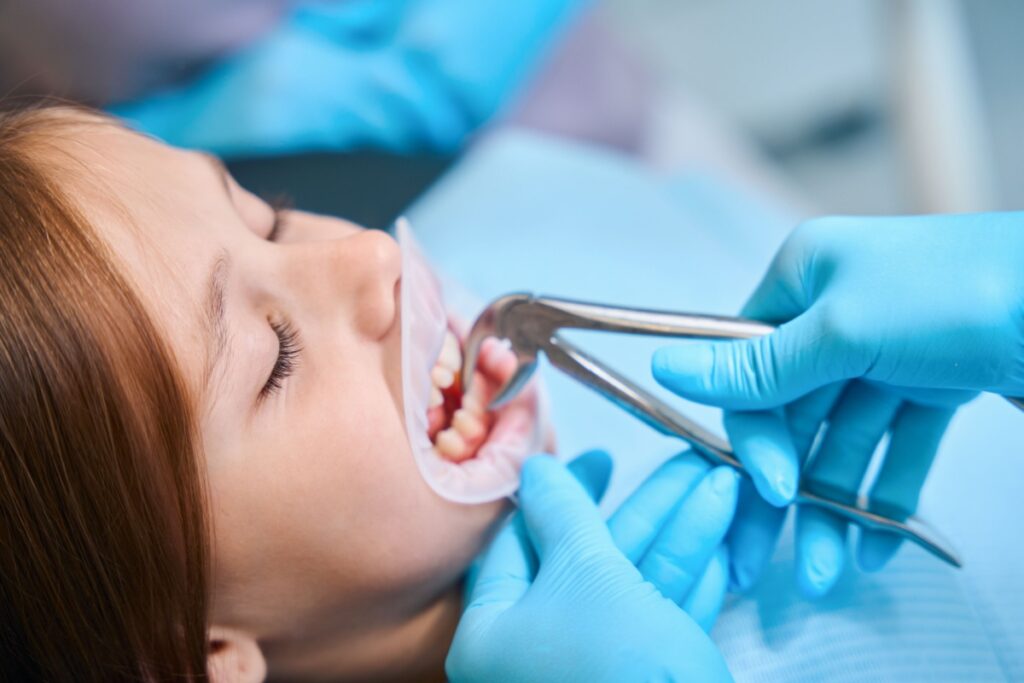
We make sure the area is numb before we begin any work. You might feel some pressure during the procedure, but you shouldn’t feel pain. Our team works gently and efficiently to make the experience as smooth as possible.
What to Expect After Your Tooth Removal
Following your post-procedure instructions is an important part of a quick, comfortable recovery.
Immediate Post-Procedure Care
It’s normal to have some bleeding and minor swelling right after a tooth removal. We’ll provide you with gauze and show you how to place it to help stop the bleeding. A cold compress gently applied to your cheek can also help reduce discomfort.
Tips for a Smooth Recovery at Home
Rest is important, especially for the first 24 hours. Try to keep your head elevated and avoid any strenuous activity that could increase blood flow to the area. After the first day, a gentle saltwater rinse can help keep the area clean as it heals.
Food & Drink After Your Procedure
What you eat and drink plays a big part in your recovery. Sticking to soft foods helps protect the sensitive area and the developing blood clot.
Safe Foods for the First Few Days
For the first day, focus on liquids and very soft foods that don’t need any chewing. Good choices include:
- Lukewarm broths and smooth soups
- Yogurt, pudding, and applesauce
- Mashed potatoes or mashed bananas
- Smoothies—but do not use a straw, as the suction can disturb the healing site
Foods & Drinks to Avoid
To prevent irritation or complications, it’s a good idea to stay away from certain foods and drinks for about a week. This includes anything that is:
- Crunchy or hard, like chips, nuts, and popcorn
- Spicy or acidic, like citrus fruits and tomato sauce
- Very hot in temperature, which can increase swelling
- Alcoholic or caffeinated
Your Destination for Emergency Dental Care in Ottawa
When you have a dental emergency, you want a team that responds with compassion and care. At Dow’s Lake Dental, we prioritize your family’s comfort, especially during an unexpected visit. We understand that these situations can be tough, which is why we nurture a calm atmosphere to help all of our patients feel at ease.
Our team takes the time to listen to your concerns and provide clear explanations about your treatment. When you need an emergency dentist in Ottawa, give us a call. We’re here to help your family get the care you need.
