

When To Stop Using Gauze After Tooth Extractions

You’ve just had a tooth removed and are now sitting with a mouthful of cotton gauze. It can be a little strange, and you might wonder what the next steps are. The team at Dow’s Lake Dental provides clear instructions, and knowing how to manage the site is an important part of recovery after a tooth extraction.
You should generally keep gauze over the extraction site for 30 to 60 minutes after the procedure. The initial period of firm pressure is key to helping your body start the healing process by forming a protective blood clot.
The First Steps After Your Tooth Extraction
The Role of Gauze
The gauze your dental team places in your mouth does more than just absorb blood. Its main job is to apply firm and steady pressure to the empty tooth socket. The pressure helps your body do its work by:
- Helping a blood clot form in the socket.
- Acting like a natural bandage over the site.
- Protecting the underlying bone and nerves.
Your Team’s Instructions
While there are general guidelines, your body is unique. The instructions you receive from your dental team are tailored specifically to you and your procedure. Following their personalized advice helps support a smooth recovery. Your Ottawa dentist provides a clear plan to help you heal well.
How Long to Keep Gauze on the Extraction Site
A General Timeline
For most people, the gauze can be removed after about 30 to 60 minutes. You may need to change the gauze pad if it becomes fully soaked with blood before that time is up. Once the bleeding slows to a gentle ooze or stops completely, you can likely remove the gauze for good.
What Happens If You Leave Gauze in Too Long
Leaving a gauze pad in for too long can cause issues. As the gauze dries, it can stick to the newly formed blood clot. If you remove the dry gauze, it might pull the clot out with it, disrupting healing and causing discomfort.
Proper Gauze Use & Removal
A Simple Step-by-Step Guide
Using gauze correctly helps you get the full benefit of the pressure it provides. The process is straightforward and can be done easily at home if you need to replace the initial pad.
- Fold a clean piece of gauze into a small, thick square.
- Place it directly over the empty tooth socket.
- Bite down with firm, constant pressure.
How to Remove Gauze Gently
When it is time to remove the gauze, do so carefully to avoid disturbing the healing site. If the gauze feels stuck, do not pull on it. Simply moisten it with a few drops of water, wait a moment, and then slowly peel it away from the extraction site.
What to Do After You Remove the Gauze
If the Site Still Bleeds
A small amount of oozing is normal for up to 24 hours after an extraction. If you experience steady bleeding that does not stop with pressure, it is a good idea to contact your dentist. Otherwise, place a new, clean gauze pad over the site, bite down firmly, and hold it for another 30 to 45 minutes.
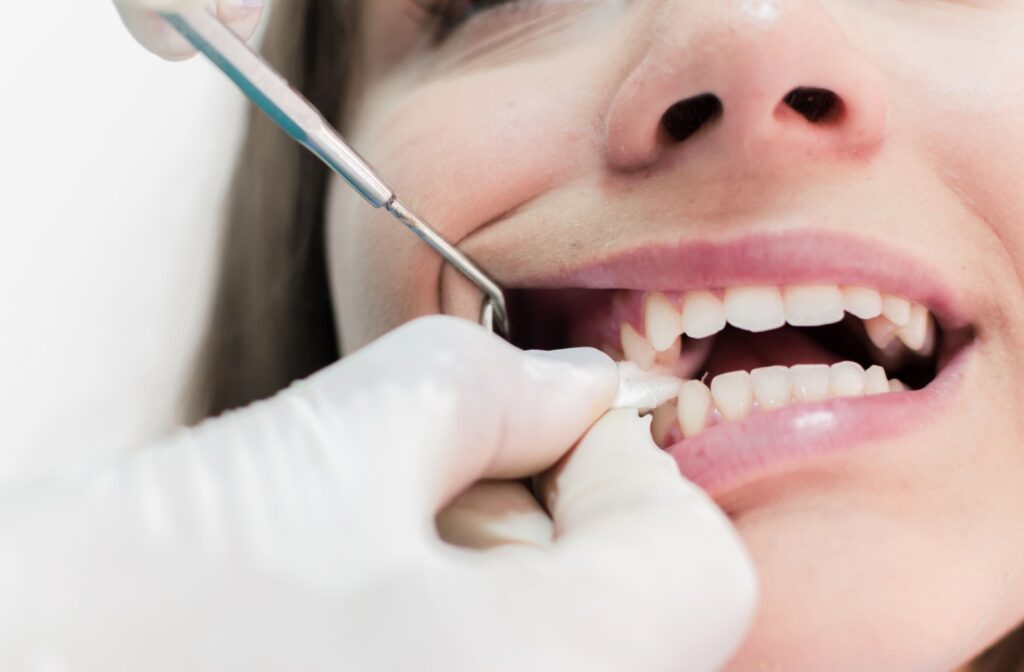
Alternatives to Gauze
If you run out of gauze, a moist tea bag can be a helpful substitute. Black tea contains tannic acid, an ingredient that can help blood vessels constrict and support clot formation. Just moisten a regular black tea bag, wrap it in a bit of gauze if you have some, and bite down on it like you would with a gauze pad.
Key Recovery Tips for the First 24 Hours
What You Should Do
The first day sets the stage for your recovery. Taking a few simple steps can make a big difference in your comfort and healing, like:
- Rest as much as you can with your head propped up on pillows.
- Apply a cold pack to the outside of your cheek for 15 minutes at a time.
- Eat soft, cool foods like smoothies, yogurt, or lukewarm soup.
What You Should Avoid
Certain actions can dislodge the blood clot and slow down your healing. It is important to avoid these things for at least the first 24 hours.
- Do not drink through a straw or smoke.
- Avoid forcefully spitting, swishing, or rinsing your mouth.
- Stay away from hard, crunchy, or spicy foods.
Protect Your Teeth with Dow’s Lake Dental
Proper aftercare is an important part of the tooth extraction process. For any questions about your dental health, the friendly team at Dow’s Lake Dental is here to help your family. Contact the office to learn more or to schedule a visit.
