

How to Get Rid of Gum Disease
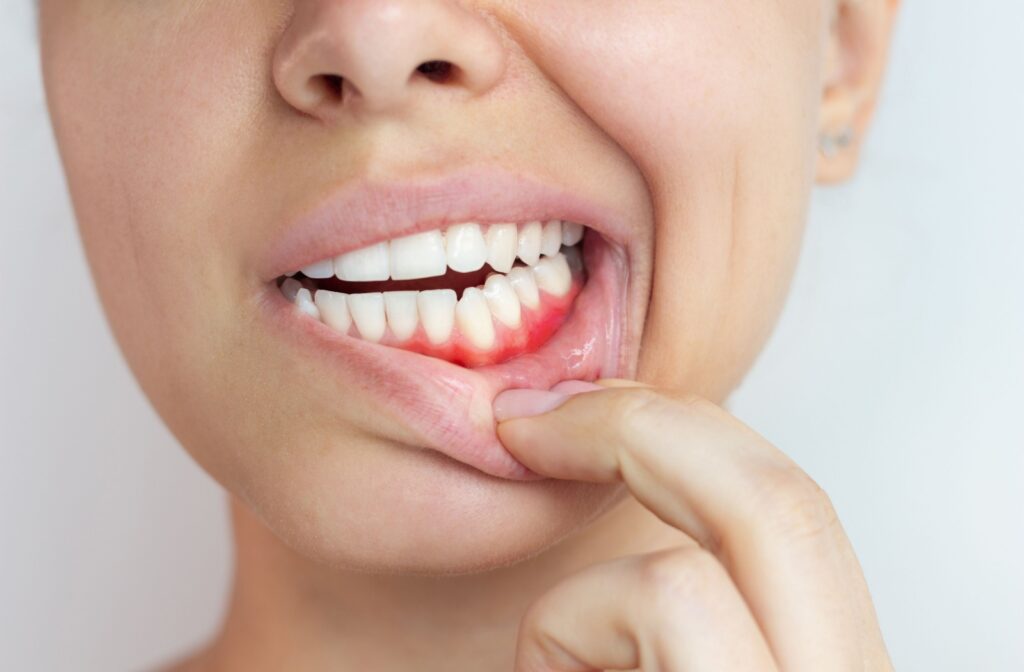
You might notice a bit of pink in the sink after you brush your teeth, or perhaps your gums feel a little tender from time to time. These small signs are easy to ignore, but they can be your mouth’s way of telling you that your gums need some attention.
Taking action early makes a significant difference in your oral health. To get rid of gum disease, you can combine consistent at-home care with professional dental treatments designed to clean below the gumline and stop its progression.
Our team at Dow’s Lake Dental is here to help you protect your teeth and support your dental well-being.
How to Spot Gum Disease Early
Signs of Stage 1 Gum Disease
The first stage of gum disease, known as gingivitis, often starts with subtle changes. Your gums might not hurt, so it’s important to pay attention to how they look and feel. Keep an eye out for these early indicators:
- Red, swollen, or tender gums
- Bleeding when you brush or floss
- Persistent bad breath
When Symptoms Get More Serious
If early signs aren’t addressed, the condition can progress. You may start to notice more obvious and uncomfortable changes in your mouth. These symptoms suggest that the infection is affecting the bone and tissues holding your teeth in place, and they include:
- Gums that pull away from your teeth
- Pain when you chew
- Loose or sensitive teeth
Improve Your Gum Health at Home
Daily Brush & Floss Habits
Your daily routine is your first line of defense. Simple, consistent habits disrupt the buildup of plaque—the sticky film of bacteria that causes gum problems. Following proper brushing techniques and flossing daily can make a huge impact on your gum health.
- Brush 2 times a day for 2 minutes
- Floss at least once every day
- Use a soft-bristle toothbrush
Rinse & Diet Choices
Beyond brushing and flossing, other choices you make throughout the day contribute to your oral health. What you eat and drink can either help or harm your gums. Rinsing after you eat can also help reduce bacteria in your mouth. Try to:
- Use an antimicrobial mouthwash
- Eat a balanced, low-sugar diet
- Drink plenty of water
Professional Dental Care for Your Gums
Routine Cleanings & Checkups
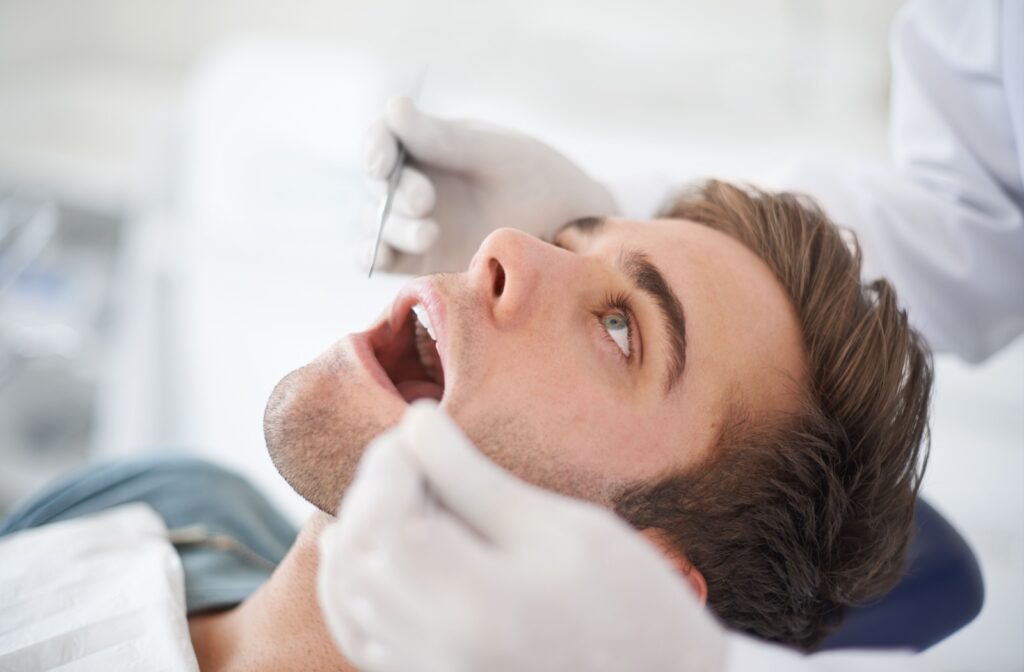
Even with great home care, some plaque hardens into tartar, which you can’t remove on your own. Regular professional cleanings are necessary to get rid of this tough buildup. During a regular dental visit, your dental team can spot issues before they become serious.
Deeper Cleaning Treatments
When gum disease advances, a standard cleaning may not be enough. Deeper cleaning treatments, sometimes called scaling and root planing, focus on areas below the gumline that you can’t reach. These procedures are designed to clear away infection and help your gums heal.
Can Gum Disease Go Away for Good?
Reverse Gingivitis with Prompt Care
The good news is that the earliest stage of gum disease is often reversible. When you catch gingivitis early, a combination of dedicated home care and professional cleanings can help restore your gums to health. If you have questions about your symptoms, you can always reach out to your dental team.
Manage Advanced Gum Disease
Once gum disease progresses to a more advanced stage—periodontitis—it can’t be completely cured. At this point, the focus shifts from reversal to management. The goal is to stop the disease from getting worse and prevent further complications from gum disease.
Your Next Steps for a Healthy Smile
Team Up With Your Dental Team
Taking control of your gum health is a partnership between you and your dental team. A thorough dental exam is the first step toward understanding what your gums need. From there, you can work together on a plan that fits your situation.
Keep Your Family’s Smiles Healthy
A proactive approach to oral health benefits the whole family. Establishing good habits and seeking regular care can help prevent gum problems from developing in the first place. This helps everyone maintain a comfortable and healthy smile for years to come.
Oral health is connected to overall health, and addressing dental issues early can help you avoid discomfort, infection, and more involved procedures later on. Book a visit with Dow’s Lake Dental to learn more about how to protect your gums and keep your smile healthy for life.
