

How Long Does It Take a Cavity to Form?
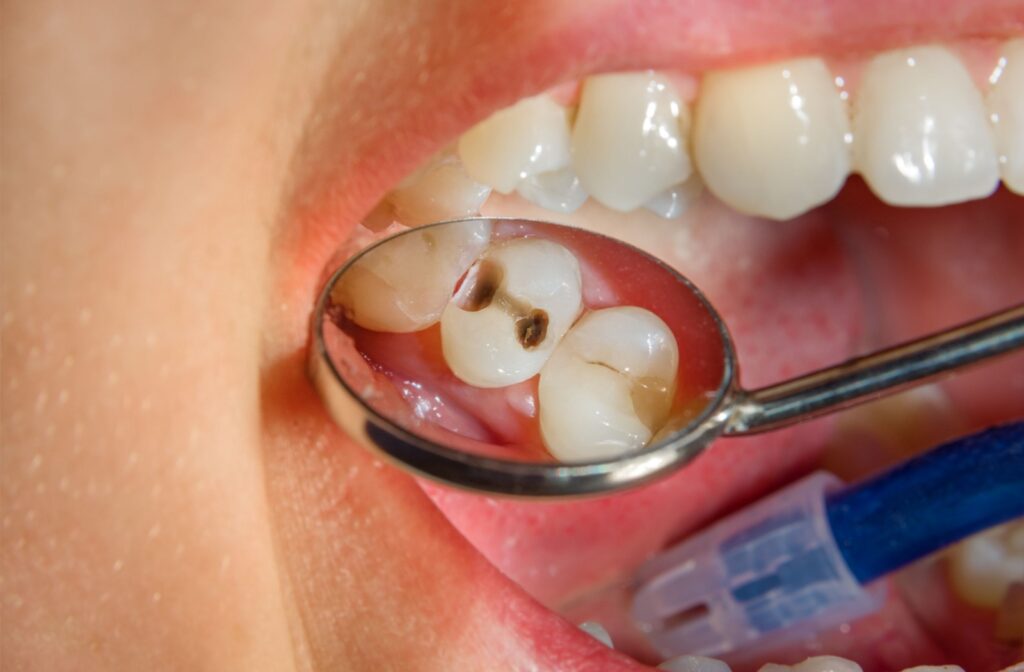
You might notice a little twinge when you drink something cold, or maybe you’re just curious about what’s happening with your smile between your regular checkups at Dow’s Lake Dental. It’s common to wonder about cavities, including how they start and how quickly they can become a problem. The good news is that cavities don’t just appear overnight.
The formation of a cavity can take anywhere from a few months to several years, depending on your dental habits and other factors. This gives you plenty of time to take action and keep your teeth strong and healthy.
What a Cavity Is & How It Starts
Every day, a sticky, colourless film called dental plaque builds up on your teeth. This film is full of bacteria that feed on the sugars and starches in the food you eat. As these bacteria eat, they produce acids that can attack your tooth’s hard outer layer, the enamel.
Over time, these acid attacks can remove minerals from your enamel. This process is the beginning of tooth decay. If left alone, the resulting weak spot can break down further and turn into a permanent hole, a cavity.
The First Sign of Trouble
Before a cavity forms, you might see a chalky white spot on the surface of your tooth. This isn’t a stain; it’s the first visible sign that the enamel is losing minerals. Think of it as an early warning sign from your tooth.
At this early stage, the damage is often not permanent. With good oral hygiene and the right care, your enamel can repair itself. This is part of why regular dental visits can be so helpful.
The Timeline for Cavity Formation
A cavity develops slowly. In fact, the journey from a healthy tooth to one with a cavity that needs a filling can take a long time. For many people, it can be a year or even longer before a weak spot in the enamel becomes a true cavity.
However, this timeline can speed up or slow down based on your daily oral health routines. Your diet and even the natural chemistry inside your mouth all play a part in how quickly tooth decay can happen.
Factors That Affect Tooth Decay Speed
Certain factors cause cavities to form faster. These include:
- How often you consume sugary drinks and starchy foods like chips or crackers
- The natural thickness of your tooth enamel and the acidity levels in your saliva both affect how well your teeth can fight off decay.
How to Know If You Have a Cavity
Sometimes a cavity is obvious, but the signs are often subtle at first. You might have a cavity if you notice any of the following:
- Visible Signs: A small hole you can see or feel with your tongue, or a brown or black spot on your tooth.
- Sensitivity: A short, sharp pain when you eat or drink something hot, cold, or sweet.
- Pain: A persistent toothache or pain that shows up when you bite down on food. A severe toothache could be a sign that you need emergency dental care.

Stop a Cavity Before It Needs a Filling
You have the power to stop the earliest stage of tooth decay right in its tracks. When a tooth starts to lose minerals, you can help it rebuild by focusing on good habits. This process helps your enamel become strong again.
Fluoride is a key helper in this repair process. Fluoride is a natural mineral that strengthens tooth enamel, making it more resistant to acid attacks. Using products that contain fluoride is a simple way to give your teeth extra protection.
Tips for At-Home Care
A few simple steps can make a huge impact on preventing cavities for you and your family:
- Brush your teeth for two minutes, twice a day, with a fluoride toothpaste.
- Floss once a day to remove plaque and food from between your teeth where a brush can’t reach.
- Limit sugary drinks and snacks, and try to rinse with water after you have them.
Professional Care & Cavity Treatment
Regular dental checkups allow a professional to spot those early white spots before they become cavities. Catching problems while they’re still small can help you avoid discomfort and more complex procedures down the road.
If a cavity does form, the treatment depends on how big it has become. The goal is always to remove the decay and restore your tooth’s shape and function so that you can chew and smile comfortably.
Common Cavity Treatments
There are a few different ways to treat a cavity based on its size and location:
- Fillings: Used for small to medium-sized cavities. The decay is removed and the hole is filled with a strong material.
- Crowns: A cap that covers the entire tooth to protect it. Used when decay has weakened the structure of the tooth.
- Root Canals: Needed when decay has reached the soft inner pulp of the tooth, where the nerves are.
Oral health is connected to overall health, and treating dental issues early can help you avoid pain, infection, and more costly procedures later on. Our team at Dow’s Lake Dental is here to answer your questions and help you learn what steps you can take to keep your family’s smiles healthy for years to come. Call or text to book your next appointment!
